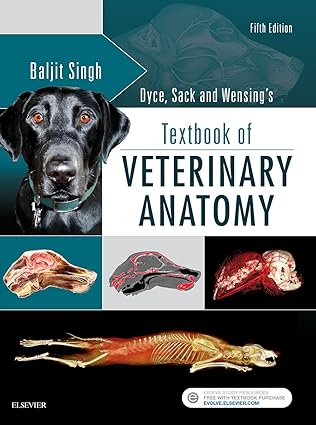
Vet Anatomy
Veterinary anatomy is the structural foundation of your entire clinical career. It explains
the organs, tissues, bones and body systems of animals.
Read More
🥗
Vet physiology
It’s the study of how those structures actually function to maintain homeostasis across species
that have wildly different biological "operating systems."
Read More
🥗
Vet Biochemistry
It is the study of the molecular "fuel" and chemical reactions—from glucose metabolism to DNA
replication—that power every biological function across different animal species.
Read More
🥗
Vet pathology
It is the study of disease—specifically, how cells, tissues, and organs change in response to
injury, infection, or genetic defects to produce clinical illness.
Read More
🥗
Vet Microbiology
It is the study of the microscopic organisms—bacteria, viruses, fungi, and parasites—that cause
infectious diseases in animals, focusing on how they invade, replicate, and spread.
Read More
🥗
Vet Parasitology
It is the study of the complex "host-parasite" relationship, focusing on the life cycles,
diagnosis, and control of protozoa, helminths (worms), that live on animals.
Read More
🥗
Vet Nutrition
Important nutrition concepts every veterinary student must know.
Read More
🥗
Vet Animal Genetics and Breeding
It is the science of how traits are inherited and how selective mating can be used to improve
animal populations, manage genetic diseases, and preserve biodiversity.
Read More
🥗
Vet Livestock Production and Management
It is the study of optimizing the health, welfare, and productivity of farm animals through
proper housing, nutrition, handling, and environmental control.
Read More
🥗
Vet pharmcology
It is the study of how drugs interact with animal bodies to treat or prevent disease,
emphasizing the "comparative" aspect—how a life-saving drug for a dog can be a deadly toxin for
a cat.
Read More